







Month to month. Cancel any month. See pricing

Get a PR diagnosisGet a 15-minute PR diagnosis

How to build a media list

A media list is the short set of people most likely to cover one specific story.

Each row names one person and links a recent article that proves the fit, next to an email you have checked.

Good lists are built per story, not per company, and they are rebuilt from fresh bylines every time the story changes.

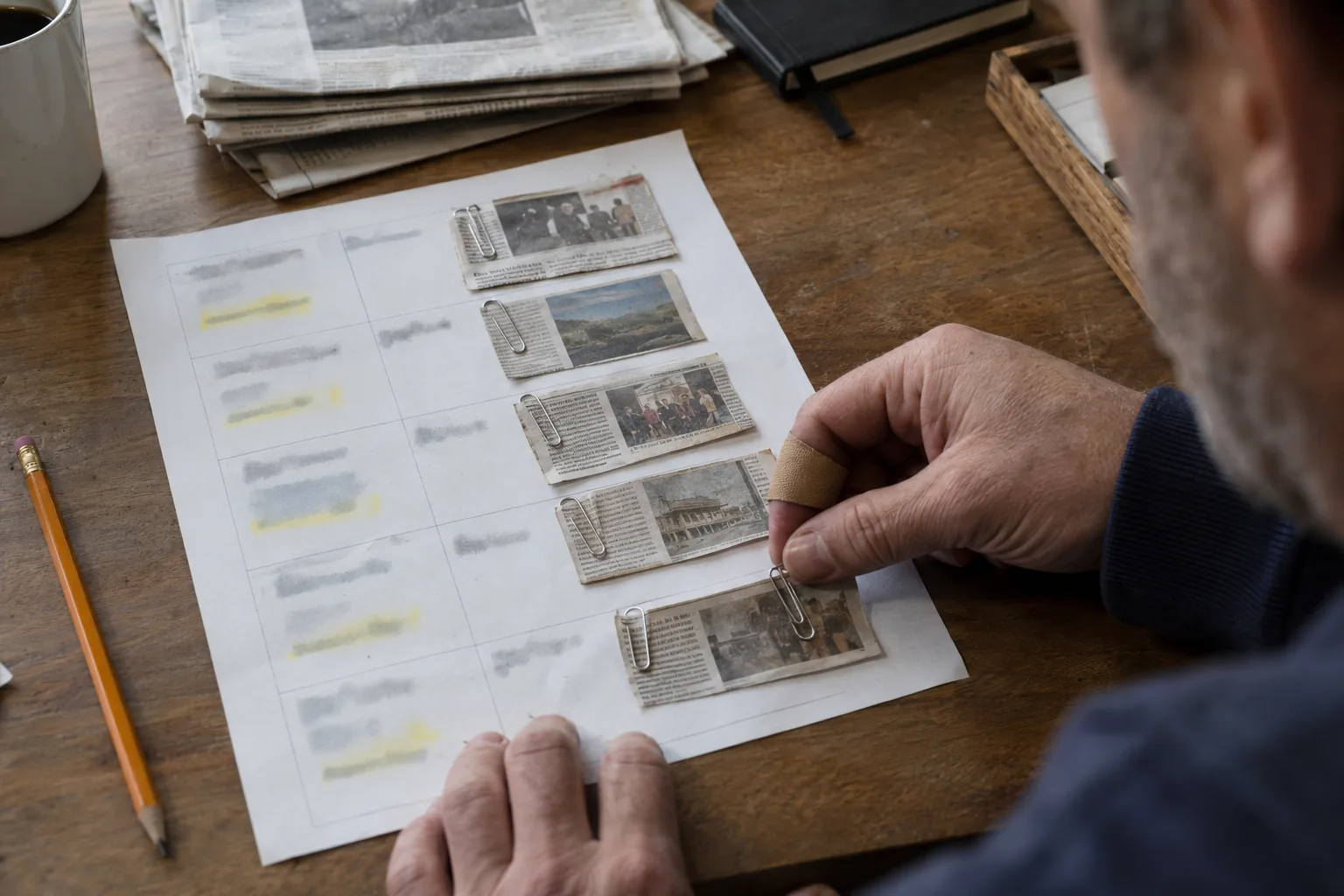
Media list printout with a press clipping clipped to each reporter row

Illustration

Why most pitches miss before they are read

  • 88%of journalists ignore pitches outside their beat straight awayglobenewswire.com
  • 72%of journalists say fewer than a quarter of the pitches they get are relevantcision.com
  • 25%bounce rate one Cision user reported from database contactstrustpilot.com

What is a media list in PR

It is the address book for one campaign.

A funding round and a product launch need different lists, even at the same company, because the reporters who cover money rarely cover products.

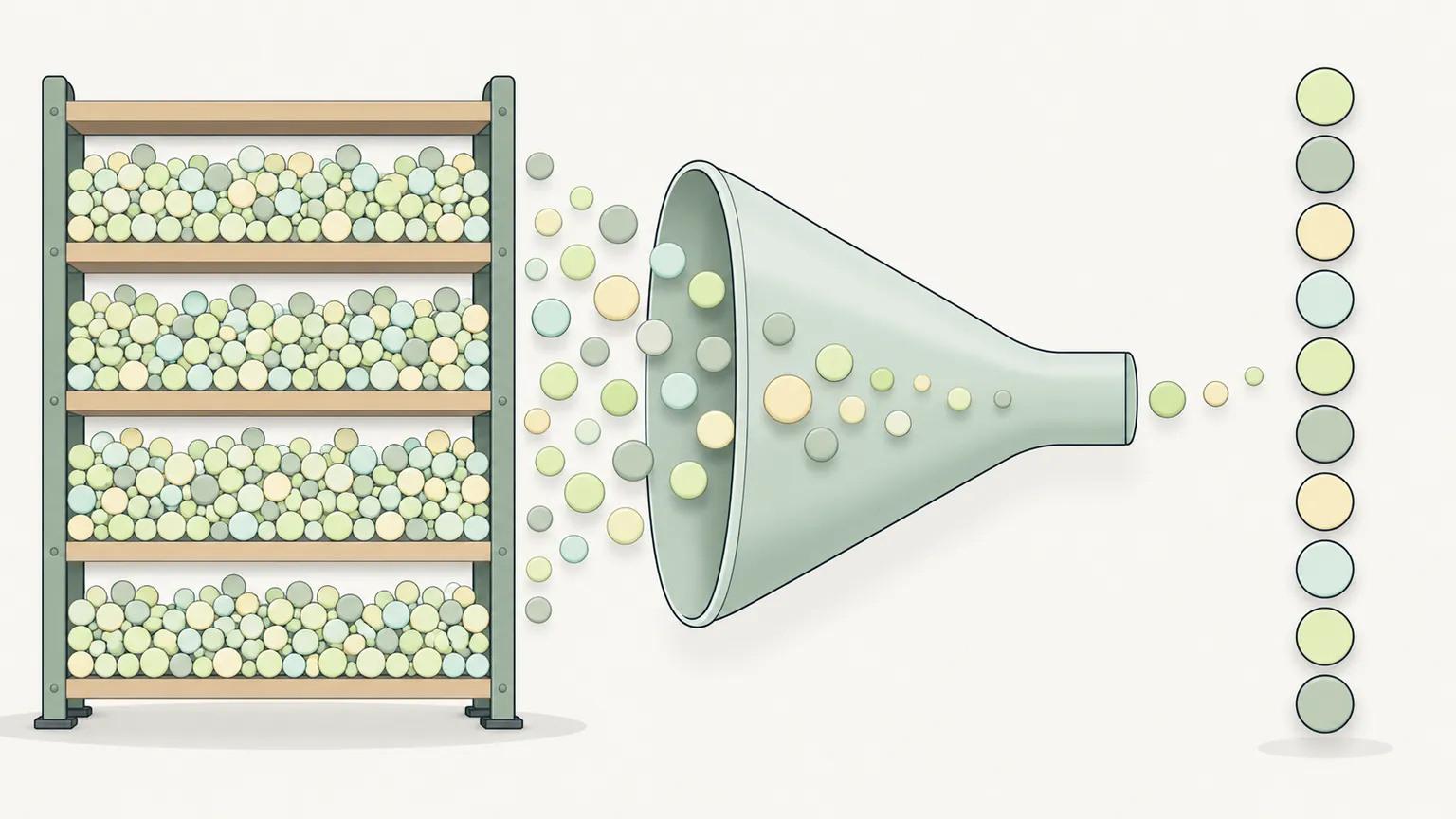
A media database is the warehouse of contacts; the list is the 20 or 30 people you picked for a reason you can state in one line.

A huge media database narrowing into a short list of ten reporters

Media list template

Copy these columns into a spreadsheet. Fill one row per person, never per outlet.

ColumnWhat to put in itExample
Tier1, 2 or 3 by fit and reach1
Namefull name as on the bylineJane Doe
Outletpublication or showExample Daily
Rolereporter, editor, producer, newsletter writersenior reporter
Beatthe narrow topic they coversmall business payments
Recent storylink to an article from the last 90 daysarticle link
Why themone line tying their work to your storywrote on late invoices in June
Emailthe address you verifiedwork address
Verified ondate of the last check2026-09-12
Other channelwhere they say they prefer contactLinkedIn, Signal, none
Region and languagewhere they publishUS, English
Last contactdate and what you sentpitch sent 2026-09-15
Outcomeno reply, declined, interview, storyinterview booked
Do not contactyes if they asked to stopno

If you cannot fill "Why them", the person does not belong on the list.

Three stacked layers, many small outlets at the base and a few named reporters on top
One row per personTwo reporters at one outlet are two rows with two reasons. Pitching both the same story at once tends to annoy the desk.

Why the list matters more than the pitch

A pitch sent to the wrong reporter is ignored however well it is written.

Of all the steps to press coverage, the list decides who reads you at all.

Every off-beat send also trains a reporter to ignore your name. The pitch itself is covered in how to pitch journalists.

Reporter tipping off beat pitches into a recycling bin at her newsroom desk
88% ignore off-beatReporters remember senders. A name that keeps arriving off topic gets filtered long before a subject line is read.Read the pitching guideIllustration

How to build a media list step by step

  1. Write your story in one sentence

    The list follows the story.

  2. List five to ten search phrases a reporter would use

    Such as the problem you solve and where.

  3. Search Google News for each phrase over the last three months and save every close article

  4. Note who wrote each article and the beat it shows

  5. Open the reporter's author page and profile to confirm they still cover that beat there

  6. Find the contact the reporter publishes, usually on the author page or in a newsletter footer

  7. Verify every address with a verification tool before you send

  8. Sort into tiers and write the "Why them" line for each person

  9. Cut anyone you cannot justify

    A list that shrinks here is working.

Where to find journalists to pitch

Start from recent bylines, then confirm each person in a second place.

  • Google News bylines. A reporter who wrote on your topic last month is the best lead, and it is free.
  • Outlet staff and author pages. Reporters by section, last stories, often a contact.
  • Muck Rack public profiles. Profiles and recent articles are public; contacts sit behind the paid plan.
  • LinkedIn and social profiles. Confirm job changes and how they like to be contacted.
  • Newsletters. Show what a trade reporter cares about this month.
  • Podcasts and conference agendas. Hosts and moderators are often reporters, listed by name.
Laptop with a news site and a printed media list on a kitchen table

Illustration

How to verify journalist emails and keep bounces down

Database contacts go stale. One Cision user reported a 25% bounce rate.

High bounce rates also damage your sending domain, so your next email to a customer or investor is more likely to land in spam.

  • Verify every new address before the first send, even from a paid database.
  • Re-verify the whole list if it has not been used for 90 days.
  • Remove hard bounces the same day and mark why.
  • Send from a real person's mailbox, never from a bulk tool with tracking pixels.
  • Send one by one, with each first line written for that person.

How many journalists should be on a media list

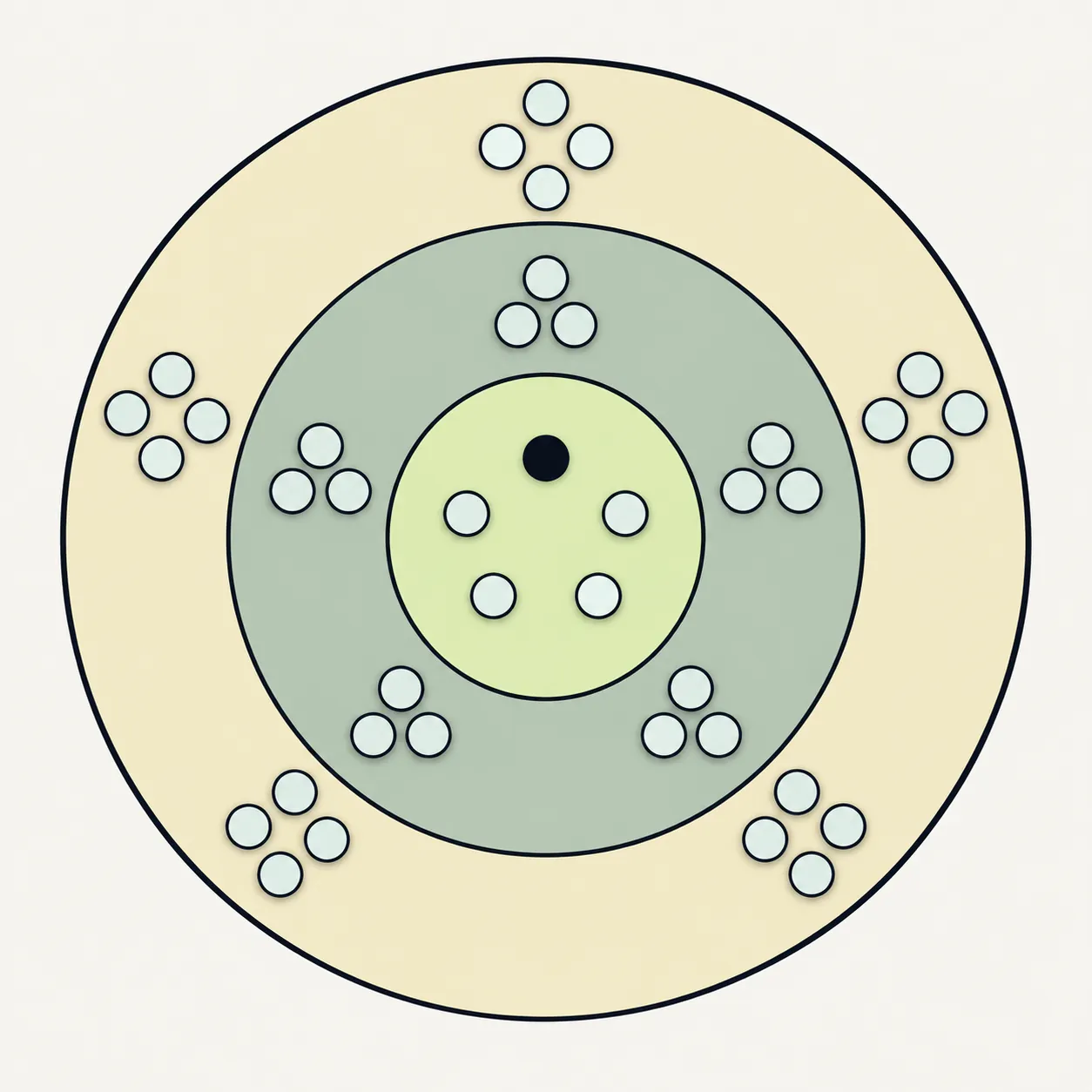
For one story, 15 to 40 names, about five in tier 1, fifteen in tier 2, the rest in tier 3.

Several hundred names for one story means the story is not defined yet.

Three tiers of a media list as rings, a small core and a wider outer ring
  • Tier 1. Wrote on your exact topic recently, read by your buyers. Personal pitch first, sometimes an exclusive.
  • Tier 2. Cover the wider industry. Pitched after tier 1 has had a fair window.
  • Tier 3. Trade newsletters, regional outlets, podcasts. Often the likeliest to say yes.

Media database prices compared

A database saves time on the search step but does not replace checking. Public or reported prices are below.

DatabasePrice seenBillingWhat reviewers say
Muck Rackentry near $5,000 per seat yearly, small business average about $12,874 a yearannual onlycontacts can be outdated, reach overstated
Cisionreported median near $12,500 yearly, from about $7,200 to over $45,000annual, 3 month notice to cancel25% bounce reported, hard to cancel
Semrush AI PR Toolkit, formerly Prowly$149 Base and $279 Pro a month in third-party listingsmonthly or annualbounced and scraped contacts
JournoFinder$119 a month billed annually, team plan $229 a month for 3 usersannualdatabase of over a million contacts by its own count
Press Rangerfree profiles without contacts, Pro $79 a monthmonthlyprofiles without emails on the free tier
Hunterfree for 50 credits a month, Starter $49 a month or $34 billed yearlymonthly or annualfinds and verifies work emails, not a press database

A startup pitching a few stories a year needs only a byline-built list and a verification tool. A database pays off for teams pitching every week across several beats.

How often should you update a media list

  1. Before every campaign

    Check tier 1 by hand; reporters move faster than databases update.

  2. Every month

    Remove bounces and opt-outs. Reporters who changed beat go too.

  3. Every quarter

    Rebuild from fresh bylines.

  4. After every campaign

    Write the outcome for each person. Within a year it shows who actually covers you.

Media list checklist

  • The story is written in one sentence before any names are added.
  • Every name has a recent article from the last 90 days.
  • Every row has a filled "Why them" line.
  • Every address was verified within the last 90 days.
  • The list is split into tiers with a sending order.
  • Sources for each contact are recorded for GDPR purposes.
  • A do-not-contact column exists and is respected.
  • The list for this story is under about 40 names.
An assistant ticking names on a printed list during a phone call
ChecklistKeep it under 40 namesA list built for last spring's round is the wrong list for this autumn's launch, even when half the names overlap.Read pitch examplesIllustration

How we keep your list current

  1. List built from bylines

    We start from stories published on your topic in the last 90 days and add only the reporters who wrote them.

  2. Every address checked

    Each email is verified before the first send, so bounces never touch your company domain.

  3. Monthly pruning

    Reporters who changed beat or outlet leave the list, and new bylines on your topic join it.

A 400-name export cut to 24

From a 400-name export to a 24-name list, illustrative

Situation
A fintech startup bought a database export of 400 business journalists for its seed round news and got four replies from the first send.
What we do
The list was rebuilt from stories on payments and small business lending from the previous three months. Then it was split into tiers, and every address was verified by hand.
Outcome
The second send went to 24 reporters. Each had a one-line reason for being on the list, and none of the addresses bounced.

Illustrative example, not a client result

Anastasiia Bratkova portrait

Anastasiia Bratkova

Chief Brand, Marketing & Communications Officer, RSE

Signs every pitch

About Anastasiia

Questions

Before you build your first list

What is a media list?

A working list of the reporters likely to cover one specific story, each with a recent article that shows the fit and a checked contact.

Is there a free database for journalists?

No complete one. Google News bylines, outlet staff pages, public Muck Rack profiles and free tiers of tools such as Hunter give you names and some addresses for free.

How many journalists should be on a media list?

For one story, 15 to 40 names split into tiers is usually enough. A list of hundreds is a sign the targeting is too loose.

How do I contact press media?

Write to a named reporter at the address the outlet or the reporter publishes. Use the general news desk only for local or breaking news.

Is it legal to email journalists in the EU?

Yes, with care. Their work email is personal data under GDPR, so you need a legitimate interest, a relevant reason to write, and an easy way to opt out.

Sources

Next step

Get the template

A senior PR expert sends it within one business day, with a story angle for your company.

Write in Telegram